Everything To Know About The Different Kinds Of Savings Accounts
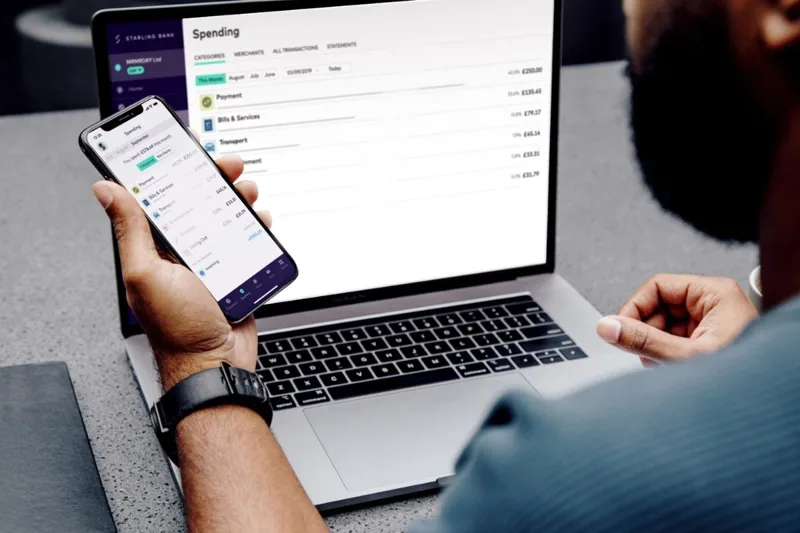
Savings accounts can be great for so many reasons. However, learning which is the best one to choose can often seem a little daunting, especially as there are so many different types of accounts on the market. Perhaps you're someone who likes to do their research before making a big decision? Maybe you want to come up with your own answer before talking to the bank?
Whatever the case, learning everything to know about the different kinds of savings accounts could be all you need. From simple accounts to those more specialized in certain things and everything in between, each has its own list of pros and cons.
A traditional savings account is great for most people
Traditional savings accounts are likely what most people think of when they picture the different savings accounts on the market. They can usually be set up pretty quickly, either online or through your bank directly. Many also have no or a low minimum deposit. However, traditional savings accounts normally don't offer the best interest rates. Plus, while some allow you to withdraw money as many times as you like, others have limits of only making six withdrawals a month and could come with extra fees for any more.
Money market accounts might need a higher deposit
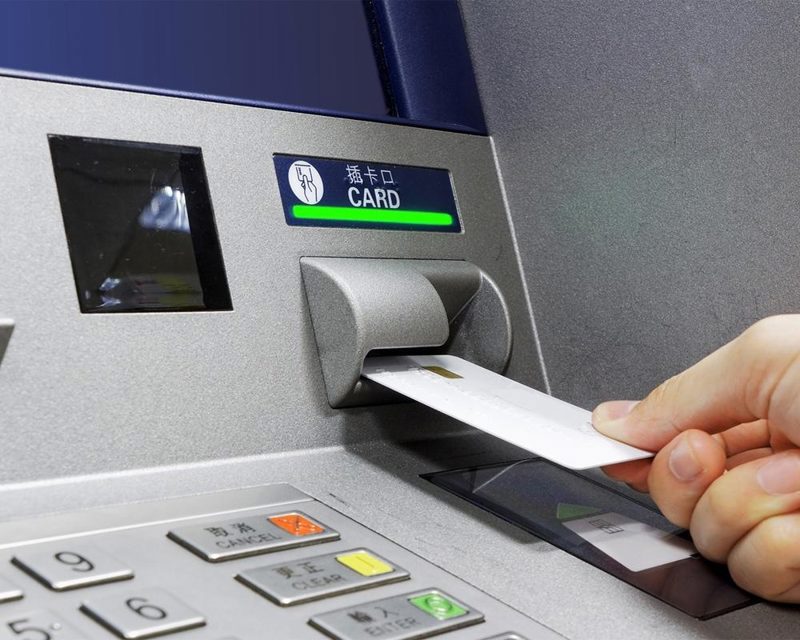
Money market accounts aren't the best-known savings accounts, but they're some of the most flexible. They work more like a regular checking account in that you can often write checks and access your savings from an ATM. They also usually come with fairly good interest rates. Still, money market accounts might require a large minimum deposit, and you might need a high balance to get the best interest rate on offer if they're tiered.
Taking money from CD accounts before maturity dates could come with fees
The thing that makes CD accounts stand out from other savings accounts is there is a time factor to consider. They work by depositing a certain amount of money for an agreed length of time. At the end of that period, you have the choice of withdrawing your money or rolling it into a new CD. You still earn above-average interest, but you might have to pay a penalty if you want to access your money before it matures.

Cash management accounts are good for people looking to invest
If you want to invest your money, a cash management account could be the way forward. While they aren't technically a savings account, they allow people to hold their cash until they're ready to invest in a retirement or taxable brokerage account. This is great for anyone looking for a potentially high-interest rate, but they might not always offer the best rates compared to designated savings accounts. You also might not be covered by insurance or have access to banking.
High-yield savings accounts could offer higher interest rates
Perhaps you want a savings account that offers a competitive rate while having low fees? You might want to think about high-yield savings accounts. They are usually reserved for online-only banks, which have their own pros and cons. For one, you can typically expect a higher interest rate, making them great for people who want more from their money. However, high-yield savings accounts mean you can't deposit physical money into your account at a branch, and it could take a few days for the money to exchange between an online account and another bank.

Specialty savings accounts work for people with specific needs
Plenty of people need to know about the different types of savings accounts because they have a particular saving in mind. Things such as student savings, custodial savings, and kids' savings accounts all fall under this bracket. Of course, one benefit of these accounts is they help people save for a particular purpose. However, there can be strict tax rules whenever you make a withdrawal, and some don't offer great interest rates. There can also be restrictions in place as to who can open specialty savings accounts.
Learning everything there is to know about the kinds of savings accounts doesn't have to be as daunting as it seems on the surface. In fact, learning the right one to suit your needs could be all you need to ensure you're doing the best you can with your money.
You May Also Like
 Finance
How to Build a Watchlist Without Chasing Hype
 Finance
Why Market Timing Is So Tempting
 Finance
FOMO Trades and How They Start