Everything Happening In The UK As The Pound Hits All-Time Low
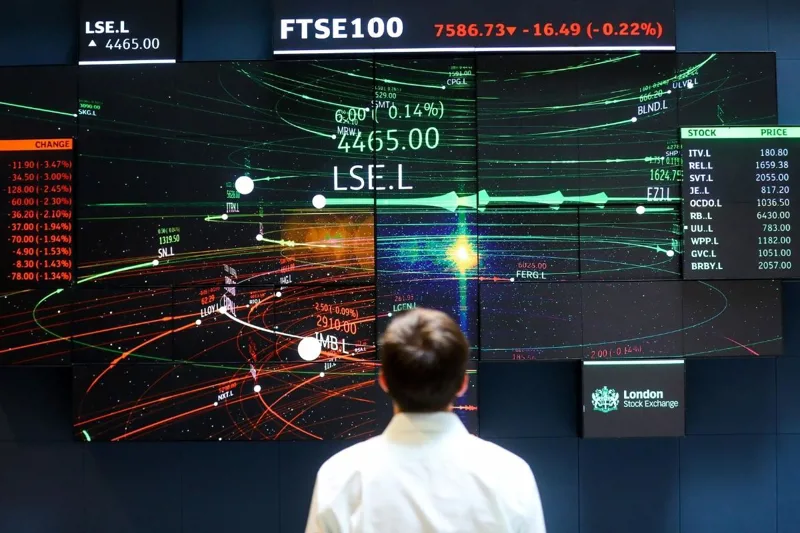
The strength of the US dollar has more effects across the world than many realize. In fact, several things are traded in dollars - such as oil - meaning it going up and down affects the cost of products across the globe. The problem? The British pound hit an all-time low on September 26, 2022.
It seems the nation is being rocked by the news as tax cuts, rising costs, and inflation continues to dominate the UK. In fact, it can be easy to miss everything happening in the UK as the pound hits an all-time low, but it could quickly have effects on the rest of the world.
The British pound mildly recovered but not by much
Things took a major nosedive for the British pound on September 26, 2022, as the currency hit its lowest value against the US dollar for the first time ever. That's because it dropped below $1.04, but it did mildly recover. The following day, the British pound was back to $1.078 - a mild yet much-needed increase. Still, this is a long way from the $1.42 numbers seen in recent years.
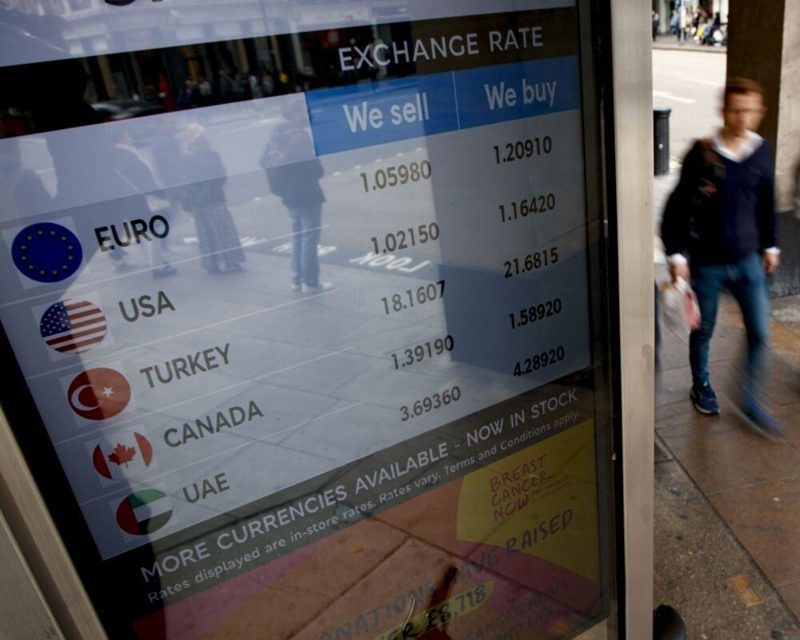
The UK is going through tax cuts not seen in decades
One of the biggest reasons the British pound hit an all-time low was thanks to drastic tax cuts across the nation that haven't been seen since 1972. The cost of living crisis and inflation that's off the charts has seen people feel the effects more than ever before. In a bid to give households more money to spend, the government announced £60 billion (approximately $64.7 billion) set aside to help support rising energy costs in households and businesses. There were also an additional £45 billion (approximately $48.5 billion) in further tax cuts.
The Bank of England could be set to raise interest rates again
The UK government plans to fund these tax cuts and handouts through borrowing, but where does that money come from? That's through gilts, an investment that works similarly to the stock market. However, people constantly make money off these gilts through interest rates. The Bank of England already announced plans to sell £80 billion (approximately $86.3 billion) in gilts over the next 12 months. The problem? Interest has risen to 4%, meaning the BoE could be set to hike interest rates even higher to keep up with the growing demand.
Plans to cut further taxes have been highly criticized
Of course, plenty of people have had a lot to say about the current tax cuts alongside future planned tax cuts that may take place in the next few weeks. The tax cuts mainly affect how much people pay in taxes from their paycheck as well as their national insurance payments - a form of social security that everyone over the age of 16 and who is earning pays throughout their lives. Still, many claim that the tax cuts only benefit those making more than the rest of the population and that people on lower incomes will feel even worse effects when it comes to repaying the borrowed money.
There are talks of spending cuts and an energy-saving rollout
Like most countries across the world, the UK is in the middle of a cost of living crisis and rapidly heading toward a recession. The plan to get things back on track is to work on spending cuts within the government and rolling out an energy-saving plan. This means cutting down on the amount of energy people are using among the energy crisis gripping Europe. This also means investing in more sustainable forms of energy and finding other sources to power the country.
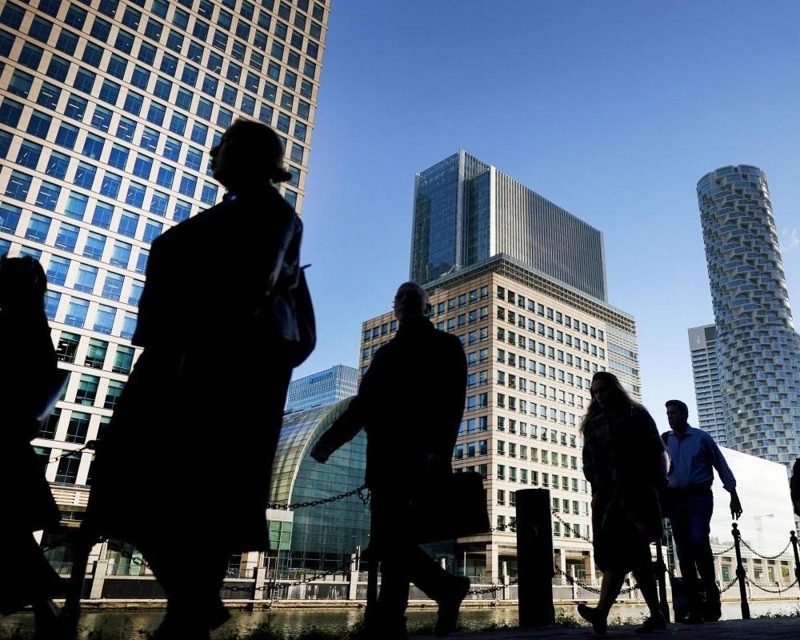
The UK largely borrows domestically and invests abroad
While things aren't necessarily looking great in the UK as the British pound hits an all-time low, things aren't entirely negative regarding its external position. That's because the nation largely raises funds domestically by borrowing from banks and investors. However, a lot of that money is invested abroad, boosting other countries' economies. This could put the UK in a better position when it comes to negotiations and boosting back the value of the British pound.
Everything happening in the UK as the pound hits an all-time low can be tough to digest as so much is happening all the time. While it looks like the British pound has mildly recovered since the record low, there is still a long way to go before the currency returns to being the stable number it has been for so many years.
You May Also Like
 Finance
How to Build a Watchlist Without Chasing Hype
 Finance
Why Market Timing Is So Tempting
 Finance
FOMO Trades and How They Start