A Guide To The Different Types Of Business Loans

When we hear the word “loan,” it can be easy to start stressing about having to pay money back. On the other hand, some people might start spending the money before they even have it in their account. Taking a loan out can be a huge step for many companies, but there are plenty of ways it can really turn things around for the better.
If you need a way to bridge a financial gap or are looking to start a new business or branch of an existing company, then it might be best to learn all about the different types of business loans. There are plenty of ways to take out money to get you off the ground or back on your feet, but is one better than the other?
Short-term loans are better suited for an emergency expense
Do you only need a business loan for a short amount of time? That’s where short-term business loans come in. They are great if you have an immediate cost or emergency expense without the money to cover it entirely. Short-term loans typically get approved reasonably quickly but may come with higher interest rates. They also need to be repaid over a shorter period of time, so someone needs to be sure their company will be able to pay it off before applying for a short-term business loan.

Unsecured loans can be quick to get but often have higher interest rates
The reason that unsecured loans are called what they are is that the bank has no security against the money they lend a company. That is after they have checked someone’s business credit rating and your overall company finances to ensure there’s a chance you can pay the money back. This means that unsecured loans often come with higher interest rates. However, they usually get approved faster and come with fewer hoops to jump through before they are paid back at regular intervals.
Secured loans require someone to put up an asset
On the other end of the scale are secured loans. They work in the same way as unsecured loans, as a company is given a lump sum of money that’s paid back - with interest - over a set period of time. However, these types of business loans mean a business has to put up an asset before they’re approved. This is usually against a building, but it can also be against something just as valuable, such as a vehicle or expensive piece of equipment. Lenders typically offer secured loans with lower interest rates and a longer repayment period.

Working capital loans can be a good business loan for seasonal companies
Working capital loans are a type of short-term business loan and can be used to cover gaps that people experience in their company. This is especially true with seasonal work when there are always peaks and dips in finances. They work by covering the shortfalls to cover things such as wages or buying stock when things are a little drier than the rest of the year. Still, a business would have to ensure their finances will definitely pick up enough to pay off the loan later down the line before applying to take out this kind of business loan.
Asset financing works in several ways and is against an asset
Asset financing is a secure type of loan that is taken out against assets in a business’ name. This could be against items they can’t afford to buy until they have the loan, machines, or any other valuable asset. There are several ways these can work. Sometimes, they can be paid off monthly like a lease, with someone handing back the item after an agreed period of time. Other times, you can keep the item by paying back an agreed amount each month. There are also lenders who will allow someone to take out an asset financing loan against an expensive asset they already own.
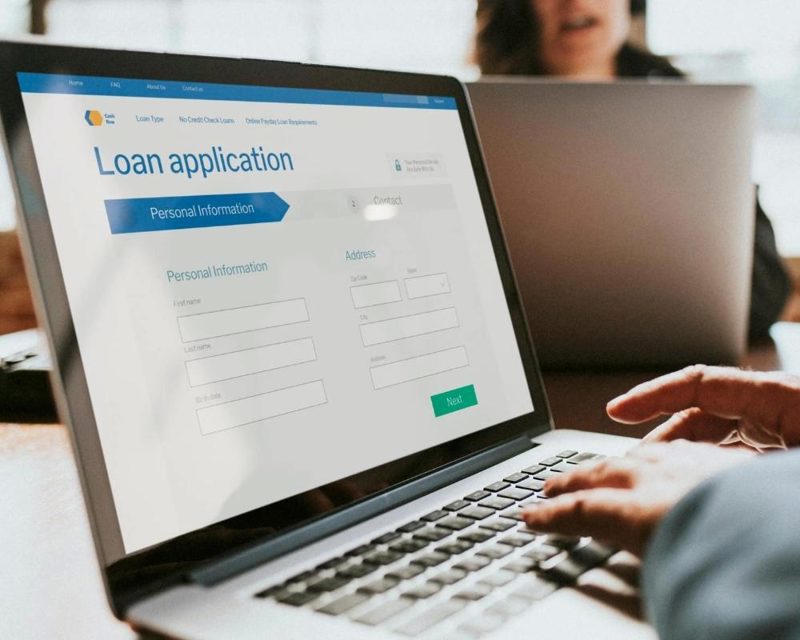
Invoice financing can cover unpaid invoices in different ways
When it comes to the type of business loans on the market, invoice financing is one of the lesser-known options. It works by partially paying unpaid invoices until the client coughs up the money they owe. Banks will typically pay a portion of the invoice, somewhere between 70% and 90%, which can then be paid back in full once the invoices are fulfilled. There are two ways this is done. Sometimes, the customer will be instructed to pay the lender instead of the business, while other times, the lender waits to be paid by the company borrowing the money.
Taking a look at the different types of business loans can help to put things into a neat order. While taking a business loan out can seem scary, there are plenty of advantages to looking at ones that could turn a company around.
You May Also Like
 Finance
How to Build a Watchlist Without Chasing Hype
 Finance
Why Market Timing Is So Tempting
 Finance
FOMO Trades and How They Start