Is This How Factories Will Look In The Future?

Thinking about how things will look in the future is a lot harder than it sounds. After all, with technology developing at a rapid rate, it’s hard to know just how advanced things could be in 20, ten, or even just five years. By these points in the future, we may well be relying on stuff that people haven’t even thought up yet.
However, while predicting the future might be tough, we do still have a rough idea of how things may progress over the years. For instance, factories are one area where we can conceivably estimate what the coming years may hold. As you might expect, things are probably going to be even more digital than they are now.
Artificial intelligence is set to be become more sophisticated and emotionally intelligent
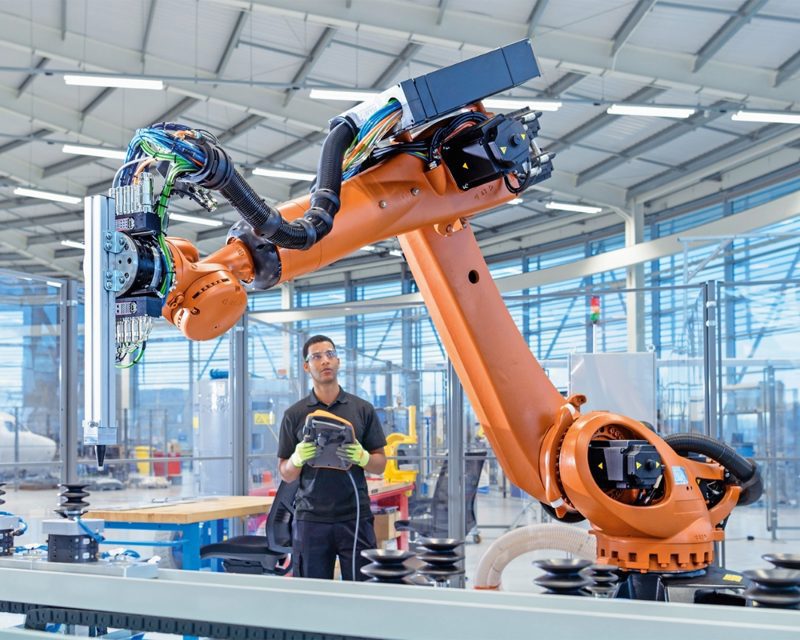
Artificial intelligence is growing by the day, something that may or may not bring you joy. There’s no denying the benefits of advanced AI, with this able to make many people’s lives a lot easier. However, there are risks associated with this technology that are already making themselves known, causing fears about what the future may hold. However, it’s unlikely that those concerns will make much of a difference, with factories set to rely on them more in the years to come. It’s predicted that conversational systems could eventually be integrated into robotics, effectively resulting in emotionally intelligent machines. According to Simon Floyd of Google Cloud, this development will allow people to “focus on high-value tasks” because of the ability to converse with manufacturing equipment.
Digital twins and the industrial metaverse will likely be hugely influential
The concept of digital twins is something that people probably couldn’t have imagined a few decades ago. Now, though, it’s reportedly the future. Companies like Rolls Royce are already using it to help with physical manufacturing. Apparently, engineers have virtual copies of their jet engines which receive data from sensors and satellites on the real thing. With this information, adjustments can be made to the virtual version, which are then applied to the physical product. This example shows the importance of the industrial metaverse, which is also likely to become more prominent as the years go on. Goetz Erhardt of Accenture believes the metaverse “could become a game changer” for companies as people use digital 3D spaces to make their jobs in the real world easier.
These developments raise concerns regarding the potential loss of jobs
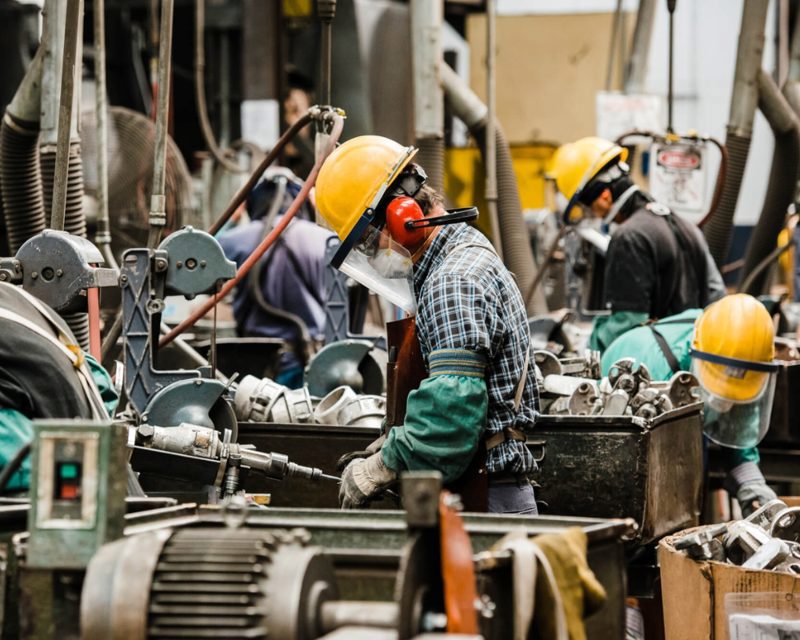
According to Goldman Sachs, 300 million jobs could be lost thanks to the rise of generative AI. That’s equivalent to most of the population of the United States being out of work thanks to this technological development. Understandably, that causes a lot of concern and raises questions over whether or not it’s a good thing that automation is becoming more of a reality in factories. However, things may not be all doom and gloom. Typically, this sort of advancement has actually created more jobs - just newer ones - to help those that have been displaced. What’s more, many companies are actually dealing with labor shortages right now, thanks to a lack of manufacturing talent. So, these developments may actually be a blessing. Even without the shortages, though, there are reports that the aim is to help machines work collaboratively with people rather than replace them. That’s according to Humanising Autonomy’s CEO Maya Pindeus, anyway.
So, what will the factories of the future look like? Assuming these predictions are correct, we can expect them to be more connected and utilize a variety of advanced technology, particularly artificial intelligence. The rise of the digital world and further automation may affect people’s jobs. However, the hope is that it will simply change what people do rather than make them obsolete.
You May Also Like
 Finance
How to Build a Watchlist Without Chasing Hype
 Finance
Why Market Timing Is So Tempting
 Finance
FOMO Trades and How They Start