The Biggest Stock Market Crashes In History

It’s hard to predict a stock market crash. Admittedly, there are factors that can indicate when one might be approaching, such as an extended period of buying pressure. When stock prices become so high they’re overvalued, it usually isn’t long before investors lose confidence and start selling all of their shares. However, it’s still hard to pinpoint exactly when one is going to happen.
That was certainly the case with some of the biggest stock market crashes in history. When we look back at them now, it’s hard to imagine history without them because of the significant impact they had. Before they came along, though, many people were oblivious to the financial crises coming their way.
The Wall Street Crash in 1929 is the earliest stock market crash
The first and easily one of the most notable stock market crashes in history was the Wall Street crash of 1929. On October 24, a period of unsustainable growth resulted in 12.8 million shares going up for sale. The US and Europe had been enjoying significant economic growth in the years beforehand, but the problem with this was investors became greedy with their shares. They caused stock prices to rise by some 300% on the New York Stock Exchange, and when they later tried to sell them, the market crashed. This happened on October 29, aka Black Tuesday, when there were four times the usual trading volume. The result of this stock market crash was a decade of recession known as the Great Depression.
Black Monday in 1987 is legendary for all the wrong reasons
The Wall Street crash was the biggest stock market crash of the 20th century. However, it wasn’t the only one to happen during the 1900s. Some decades later, in 1987, was Black Monday, a crash that had a huge impact across the world. The worst day of trading since the 1920s, it was the result of rising interest rates and an overvalued dollar. The arrival of automatic trading systems may also have played a part. After company shares valuations rose to extreme levels, the market crashed on October 19, 1987, with the Dow Jones index dropping almost 22%. Thankfully, this stock market crash wasn’t as devastating as the previous one, with the US recovering fully within two years thanks to the US Federal Reserve.
The stock market crash in 2008 was the first crash in the 21st century
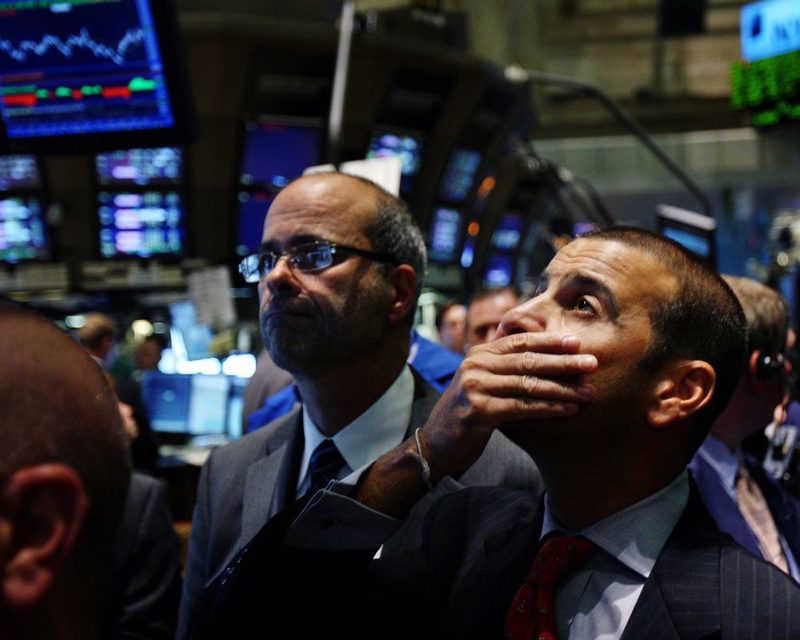
The stock market crash of 2008 is one that you may remember well. The first big incident in the 21st century, it saw the Dow Jones index fall some 777.68 points in September of that year. This was the result of Lehman Brothers announcing bankruptcy and consequently rejecting a bailout from the Federal Reserve. The crash was seemingly several years in the making, starting with the collapse of the real estate market in 2006. As banks became reluctant to lend to one another, interest rates grew and affected many new homeowners. The impact of the 2008 stock market crash lasted five years, with the US in recession during that time and economies all around the world struggling, too.
The flash crash of 2010 came before the stock market recovered
The US stock market hadn’t even recovered from the 2008 crash when another one hit on May 6, 2010. This was a flash crash that affected massive companies like Procter & Gamble, with billions of dollars being wiped off share prices. Luckily, the impact this had on the US economy was minimal, and the crash only lasted a short time. It was over in 36 minutes, although the speed at which the decline occurred was still faster than had ever been witnessed before. The Dow Jones index fell by almost 1,000 points in 15 minutes following concerns about Greece’s debt crisis and a UK election. Although initial assumptions about the crash were placed on one person trying to “spoof” the market, it later emerged that various elements were to blame.
The stock market crashes of 2020 came when the world was shutting down
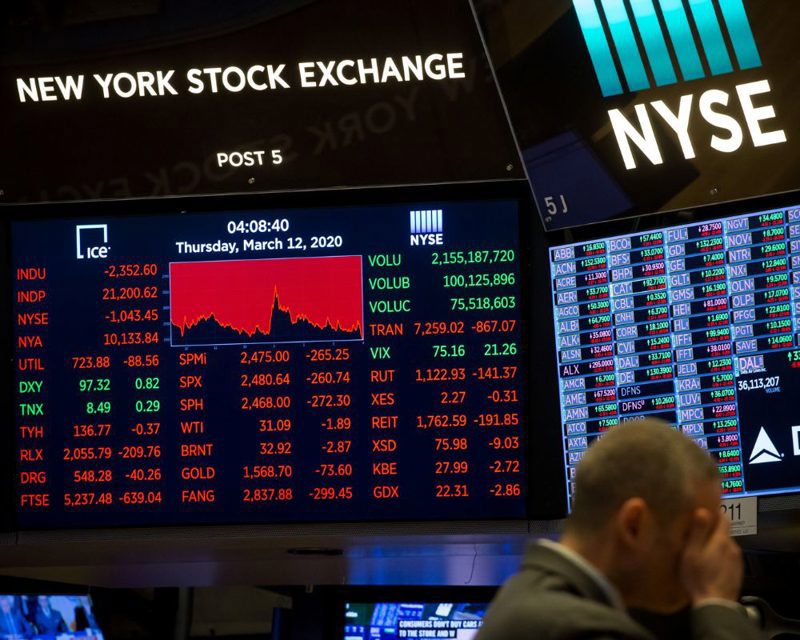
2020 was a year that most people will never forget. Along with a global health crisis, we also experienced several stock market crashes. The first of these began at the end of 2019 when reports emerged from China. As it made its way around the world, businesses started to close, and travel restrictions were put in place. Despite reserve banks trying to prevent a crash, the markets fell dramatically. The FTSE 100 saw a loss of nearly $200 billion, while the S&P 500 and the US Tech 100 recorded drops of almost 10%. Around the same time, oil prices dropped by the highest amount since 1991 because of Saudi Arabia’s price war. During this second crash, oil lost around a third of its value, with US oil prices down by roughly 34%.
Thankfully, massive stock market crashes like these don’t happen that often, although we’ve already seen a handful this century. With economies around the world still struggling from the last one, we’re hopeful it’ll be a long while before another comes our way.
You May Also Like
 Finance
How to Build a Watchlist Without Chasing Hype
 Finance
Why Market Timing Is So Tempting
 Finance
FOMO Trades and How They Start